
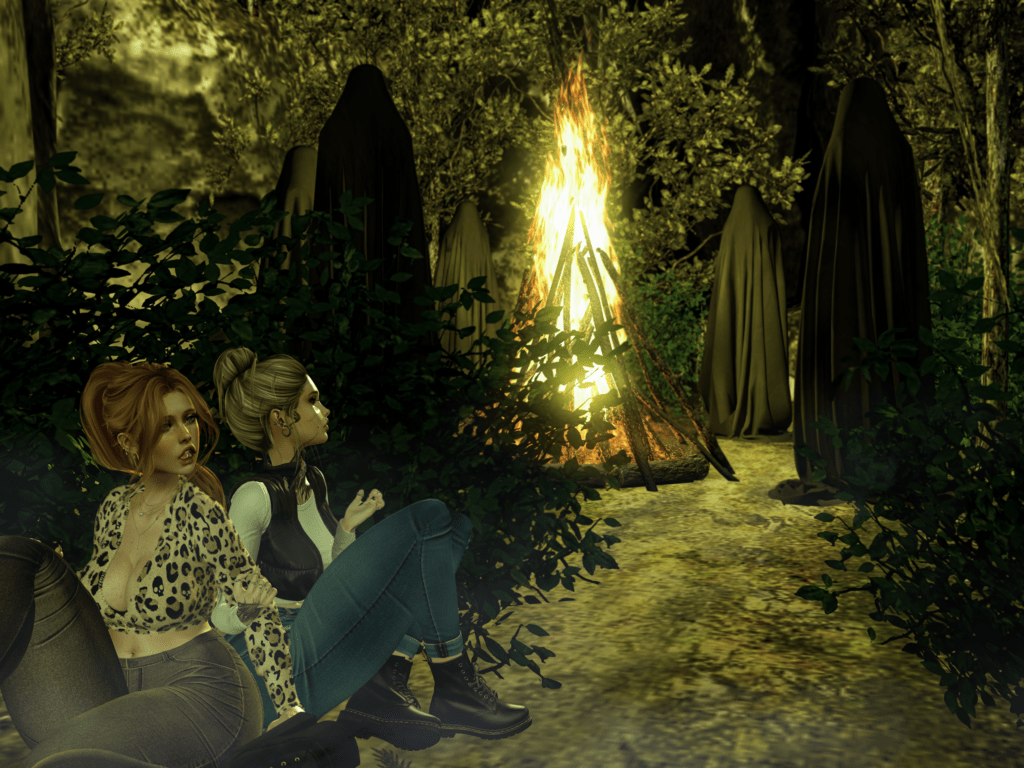
Port Laveau doesn’t appear on most maps. The roads that lead here seem to forget themselves — turning back, flooding out, swallowed by cypress and fog. The people who find this place were either brought here or drawn here. Nobody stumbles into Laveau by accident.
The town sits where the bayou meets the Gulf, a crumbling port built on trade that never appears in ledgers. The architecture remembers better days — French Colonial bones wrapped in rot and ruin, plantation houses converted to purposes their builders never imagined, a church row where faith and folklore blur into something older than either.
The heat never breaks. The humidity seeps into everything — wood, cloth, skin, memory. At night, the fog rolls in thick enough to lose yourself in, and the sounds from the swamp could be animals or something else entirely.
A Place Between Places
Laveau exists in the margins. Between the law and lawlessness. Between the living and the dead. Between what people admit and what they do in the dark.
The outside world doesn’t come here. Cell signals die at the parish line. The sheriff’s department handles its own affairs. When people disappear, they stay disappeared — the bayou is deep, and it keeps its secrets.
This isolation isn’t accidental. It’s cultivated. The powers that run Laveau prefer it this way. Less scrutiny. Fewer questions. A place where certain kinds of business can happen without interference.
What the Swamp Wants
The old-timers say the bayou is hungry. Not for bodies — though it takes those too — but for stories. Drama. Suffering. Passion. The land itself feeds on human intensity, and it rewards those who provide it.
Whether you believe that literally or take it as poetry, the truth underneath is real: Laveau remembers. Your actions ripple outward. Your reputation precedes you. The people you help remember. The people you hurt remember longer.
Nothing stays buried here — not secrets, not grudges, not debts. The swamp has a way of pushing things back to the surface exactly when you thought they were forgotten.
The Texture of Laveau
The smell — Salt water and decay. Jasmine blooming over something dead. Cigarette smoke and cheap bourbon. The copper tang of blood mixing with swamp water.
The sound — Insects screaming in chorus. Distant boat motors. Zydeco bleeding from a jukebox somewhere. The splash of something large moving through water you can’t see.
The feel — Sweat that never dries. Wood warped by humidity. The sticky film on every surface. The prickle on your neck when you realize someone’s watching.
The taste — Crawfish and cayenne. Chicory coffee thick as mud. The salt on someone’s skin. The bitterness of knowing you owe someone something.
Old Money, Older Secrets
Laveau wasn’t always like this — or maybe it was, and the facade has simply worn away.
The families that founded this place left their marks everywhere: names on buildings, portraits in hallways, crypts in the cemetery that get fresh flowers even now. Some of those bloodlines still hold power. Others sold out to newer money — the kind that doesn’t ask where its wealth comes from.
Beneath the surface economy of fishing and tourism (such as it is), other currencies flow: contraband through the marina, flesh through arrangements best not examined, influence traded in back rooms, and always, always — tribute flowing upward to those who really run things.
The history here isn’t dead. It’s composting. Enriching the soil for new growth just as twisted as what came before.
Why People Stay
Nobody comes to Laveau for a fresh start. The swamp doesn’t offer those.
People stay because:
- They’re trapped — by debt, by blackmail, by knowing too much or owing too much
- They’re hiding — from the law, from enemies, from a past that would kill them if it caught up
- They’re hunting — for opportunity, for prey, for something they can only find in a place with no rules
- They belong — some people are built for darkness, and Laveau feels like home
Whatever brought your character here, the swamp will find a use for them. Everyone serves a purpose in Laveau — even if that purpose is to serve as a warning to others.
The Bargain
Living in Laveau means accepting an unspoken deal:
The swamp gives you freedom. Freedom from judgment, from the outside world’s rules, from the person you used to be. You can reinvent yourself here. You can do things that would destroy you anywhere else.
But the swamp takes its due. Everyone pays — in tribute, in flesh, in pieces of themselves they don’t get back. The longer you stay, the more Laveau owns you. The debt compounds. The entanglements multiply.
Some people think they can take what Laveau offers and leave before the bill comes due.
The bayou has heard that one before.

